Google Sheets on Android 6: A Practical Marshmallow Guide
Learn practical, step-by-step methods for using Google Sheets on Android 6 Marshmallow. This guide covers offline access, formulas, collaboration, troubleshooting, and tips for students, professionals, and small businesses.


Why google sheets android 6 matters
In a world where mobile work is the norm, having reliable spreadsheet access on Android 6 is essential for students, professionals, and small business owners. This guide dives into google sheets android 6, focusing on Marshmallow-era devices to help you maximize productivity with limited hardware and older OS constraints. According to How To Sheets, many users still rely on mobile spreadsheets for quick data entry, budgeting, and on-the-go collaboration, making solid mobile skills a competitive advantage. This article blends practical steps with best practices, ensuring you can work offline, sync when online, and keep data safe across devices.
Key concepts covered here include offline editing, basic formulas, formatting on mobile, and efficient collaboration. Whether you’re tallying class expenses, tracking project hours, or maintaining a simple inventory, you’ll find actionable guidance you can apply today.
Getting started: prerequisites for Marshmallow devices
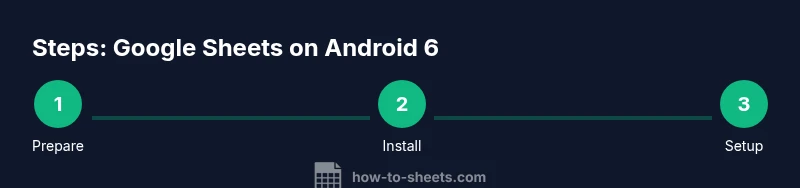
Before you touch Google Sheets on Android 6, confirm you have the essentials in place. You’ll need a Google account, a Marshmallow-powered Android device, and a reliable internet connection for initial setup. If your device supports offline work, you can save data locally and sync when you reconnect. How To Sheets’ analysis shows that users who enable offline mode early experience fewer interruptions during travel or network outages. Plan to update apps when possible, but recognize that some Marshmallow devices may not receive every new feature from newer Android versions. Keep expectations aligned with hardware limits and storage constraints.
Install and set up Google Sheets on Android 6
To begin, install the Google Sheets app from Google Play, then sign in with your Google account. Grant the necessary permissions so Sheets can access your storage, contacts (optional for sharing), and local files. Open the app to create a new spreadsheet or to import an existing one from Drive or your device. If you’re offline, ensure the file you need has been opened at least once while online so it caches for later editing. This step establishes a stable base for reliable data work on Android 6.
Tip: Keep Sheets updated within the Play Store, but if updates are unavailable due to device constraints, check for compatible APKs or third-party installers only from trusted sources.
Core features you can use on Android 6
Google Sheets on Android 6 supports many core features, including data entry, simple formatting (bold, italic, alignment), and basic formulas like SUM, AVERAGE, and IF. You can sort and filter data, create basic charts, and use conditional formatting to highlight important values. While the UI is simplified for mobile, keyboard shortcuts and auto-fill can speed up data entry. For study notes, budgets, or quick inventories, these mobile-friendly features are often sufficient for day-to-day tasks.
The idea is to leverage the mobile-first interface: swipe to select cells, long-press to bring up context menus, and use the floating action button to quickly add rows or columns. Remember that complex formulas or array formulas may perform slower on older devices, so plan your sheets with simpler logic when possible.
Offline mode and syncing for Android 6
Offline mode is a critical feature on Android 6. Set files to be available offline from the Google Drive or Sheets interface. When offline, you can edit data, add formulas, and adjust formatting; changes will sync automatically once you regain connectivity. Be mindful of storage limits on devices with limited RAM and internal storage. How To Sheets analysis shows that users who manage offline files effectively experience fewer data conflicts and sync errors when reconnected.
If you anticipate long gaps between connections, consider exporting critical sheets as CSV backups periodically. This provides an additional safety net for data integrity during poor network conditions.
Formulas, functions, and formatting on mobile
Your mobile Sheets experience includes core functions like SUM, AVERAGE, MIN, MAX, and simple IF statements. Some advanced functions may be limited by screen real estate or processing power on Android 6, so keep formulas clear and modular. Use the format painter to apply consistent styling across rows and columns, and leverage conditional formatting to flag outliers or deadlines. For budgets or schedules, the combination of formulas and formatting makes mobile data analysis practical without a laptop.
Tip: Test formulas on a small sample before applying them to large data sets to avoid slow calculations on older hardware.
Collaboration and sharing on mobile
Sharing a sheet from Android 6 is straightforward: open the file, tap the share icon, and choose people or groups. You can assign view or edit rights and add comments to specific cells. Real-time collaboration on mobile depends on network stability, so communicate expectations with teammates about update times. If you rely on others for data input, consider enabling change notifications and version history to track edits and revert mistakes quickly.
Security note: only grant edit access to trusted collaborators and periodically review access lists to minimize risk.
Troubleshooting common issues on Android 6
Users running Android 6 may encounter performance slowdowns, occasional sync conflicts, or feature gaps compared to newer Android versions. Start by ensuring you have a stable internet connection and the latest Sheets app version supported by your device. Clear cache for the Google Play services and Google Sheets app if you experience freezing or login problems. If a file won’t sync, check Google Drive online for conflicting copies and merge data as needed. In rare cases, reinstalling the app can resolve stubborn issues, but back up critical data first.
In short, expect some trade-offs on older hardware, and design your sheets with simplicity to minimize headaches.
Authority sources for further reading
- Android Marshmallow official page: https://www.android.com/versions/marshmallow-6-0/
- Android developer overview for Marshmallow: https://developer.android.com/about/versions/mdpi
- Google Sheets help and support: https://support.google.com/docs/
For a broaderTech context, How To Sheets emphasizes practical, step-by-step guidance and emphasizes safe offline workflows and data practices on legacy devices.